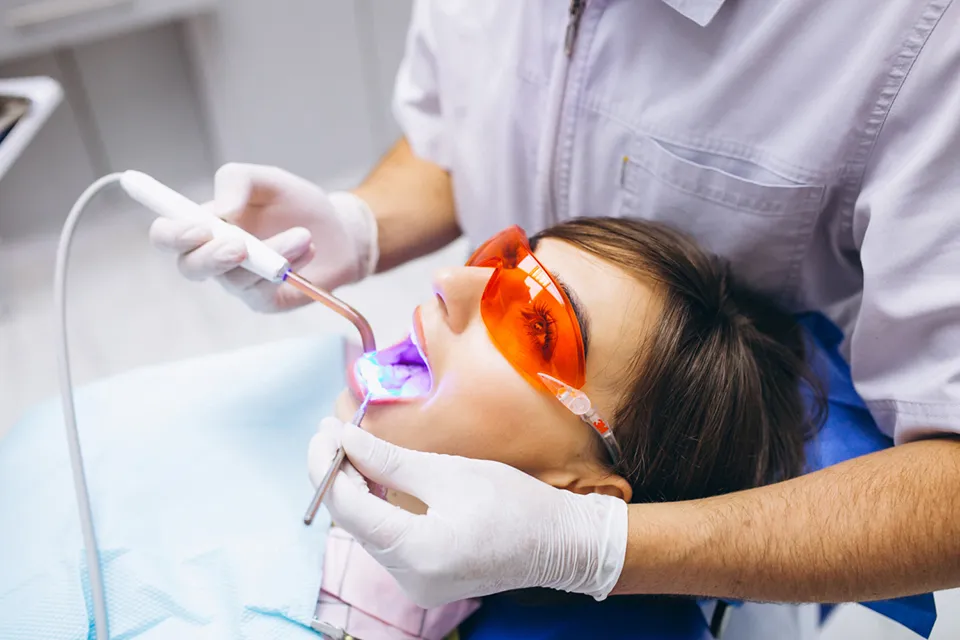
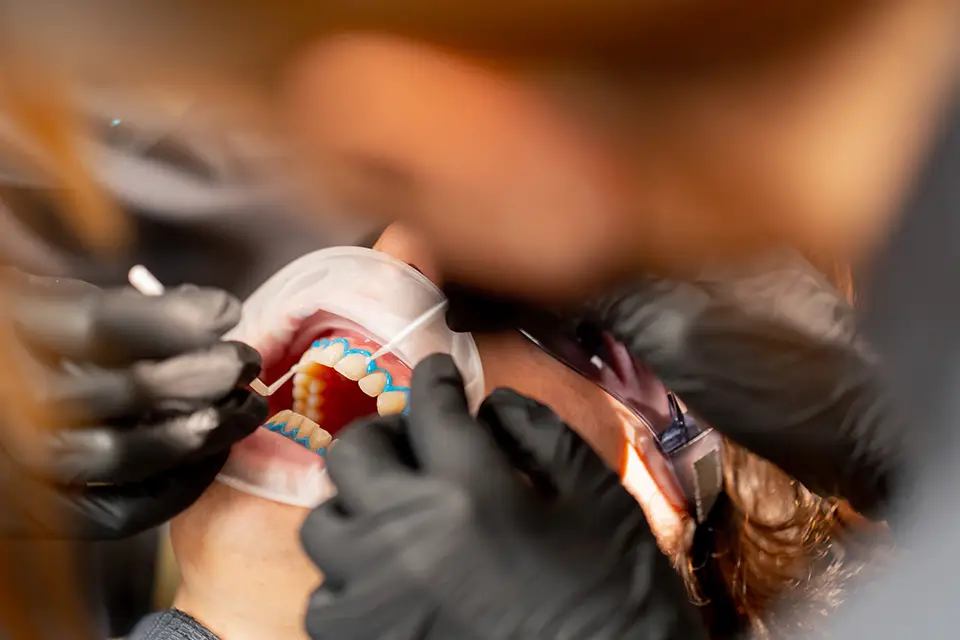
Parents often ask what actually happens during a dental sealants procedure and why dentists recommend it for healthy teeth. In simple terms, the procedure places a very thin protective layer over the chewing surfaces of back teeth so food and plaque do not settle deep in the grooves. The dentist cleans the tooth carefully, dries it, and then brushes a liquid sealant into those tiny pits that a toothbrush cannot reach. A special light hardens the material so it becomes a smooth, easy-to-clean surface.
This matters because a well-planned dental sealants procedure can dramatically lower the risk of decay before a cavity ever appears. For children and teens with new molars, sealants provide powerful cavity prevention in the years when snack foods, busy schedules, and imperfect brushing are common. Adults with a history of fillings can also benefit from this form of preventive dentistry, avoiding more drilling and preserving natural tooth structure for as long as possible.
Who Is a Good Candidate for Dental Sealants?
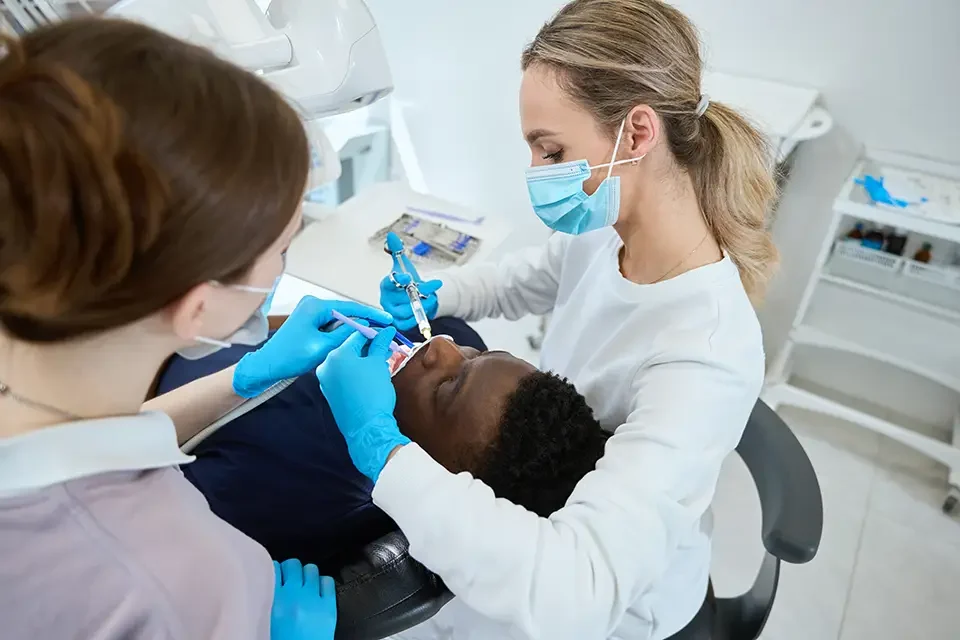
A dental sealants procedure is especially helpful for children and teens whose new permanent molars have recently erupted and are still cavity-free. Deep grooves, frequent snacking, or less-than-perfect brushing habits increase the benefit, since sealants protect the areas that are hardest to clean.
Some adults are also ideal candidates for a dental sealant procedure, particularly those with cavity-prone teeth, a history of multiple fillings, dry mouth, or limited fluoride exposure. Your dentist will examine tooth shape, enamel condition, and overall risk before recommending dental sealants for you or your child.
Step-by-Step Dental Sealants Procedure: What Happens at the Dentist
A dental sealant procedure is planned as a quick, gentle visit, so children and adults know what will happen before they sit in the chair. When families understand each step of the procedure, anxiety drops, and it becomes easier to agree to treatment.
Initial assessment and tooth preparation
During the first dental sealants procedure appointment, the dentist reviews the history and performs a focused exam on the back teeth. The procedure begins with the cleaning of each chewing surface. Then the tooth is rinsed, dried, and kept isolated so saliva does not affect the procedure.
Etching and placing the sealant
In the next stage of the procedure, a mild etching gel is brushed onto the enamel to create a microscopic texture that helps bonding. The gel is rinsed away, the tooth is dried again, and sealant resin is placed as part of the sealants procedure, flowing into the fine grooves of new molars.
Curing, bite check, and comfort review
To complete the dental sealants procedure, a curing light hardens the material within seconds, so your child can bite comfortably and normally. The dentist checks that the procedure has created a smooth surface and natural bite, then reviews cleaning, eating, and follow-up.
Safety, Aftercare, and How Long Dental Sealants Last
For most families, the first question is whether a dental sealants procedure is truly safe. Sealants have been studied for many years and are routinely used in pediatric preventive care around the world. The dentist keeps the layer very thin, works only on the enamel surface, and does not remove healthy tooth structure. For children who feel nervous about treatment, the fact that there is no freezing and usually no drilling is very reassuring.
After a procedure, your child can go back to school, sports, or a normal meal right away. It helps to limit very sticky sweets that might pull at the coating. Regular brushing and flossing still matter, and the dentist checks each sealant at recall visits. With consistent care, dental sealants often last many years, and worn or chipped areas can be topped up so the protective barrier keeps working.
Dental Sealants Procedure at Sunshine Dentistry in Richmond Hill
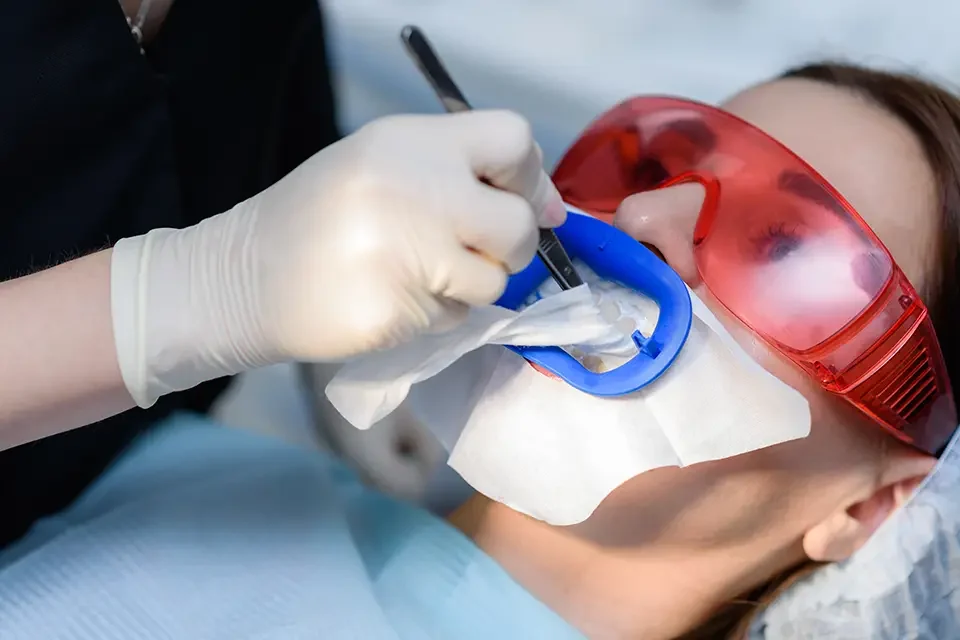
At Sunshine Dentistry in Richmond Hill, a dental sealant procedure feels more like an extended check-up than a major treatment. Our team speaks with parents and children first, so everyone understands which teeth are being sealed and how this helps protect the smile over time.
- At the start of the procedure, your dentist reviews past X-rays, current molar development, and overall cavity risk.
- We use calm, child-friendly explanations and tell, show, so nervous children know what each tool does before it touches a tooth.
- High-quality dental sealants are recorded in your child’s digital chart, and we check them at future visits to plan any touch-ups.
Want to find out if your child’s molars are ready for sealants? Contact Sunshine Dentistry in Richmond Hill to book a quick assessment. We’ll examine their teeth, discuss the dental sealants procedure in plain language, and plan preventive care that fits your family’s schedule.
FAQs
How long does a dental sealants procedure take?
For most patients, a sealant procedure on several molars fits into a single short visit. Each tooth usually takes only a few minutes of chair time, which makes the appointment manageable for younger children.
How should I prepare my child for sealants?
It helps to offer a light meal and tooth brushing before the visit so your child feels fresh. Bringing a favourite toy or comfort item can also make the procedure feel more familiar and relaxed.
What if a sealant chips or comes off?
If a dental sealant wears, chips, or comes off, the dentist can usually clean the area and reapply the material in a simple visit. This keeps the protective barrier intact without extra drilling or injections.
Is a dental sealant procedure covered by insurance?
Many benefit plans list preventive sealants for children, particularly on permanent molars. Our team can help you review coverage details so you understand any out-of-pocket costs before the dental sealants procedure is scheduled.