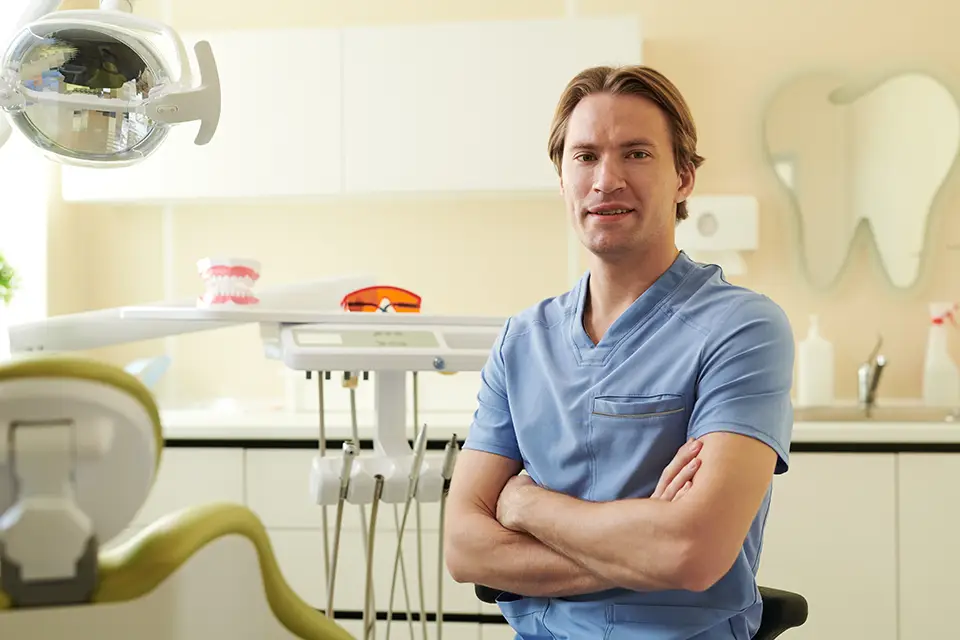

“My dentist recommended sealants”, and you walked out of the appointment with more questions than answers. If you are thinking my dentist recommended sealants, but you are not sure what they are, or whether you really need them, you are not alone. Many patients hear about dental sealants for the first time in the chair and want clear, honest guidance before saying yes.
When patients tell us “my dentist recommended sealants,” we look at their cavity risk, brushing habits, and the deep grooves on their back teeth. This helps us decide if preventive dentistry with sealants is a smart choice for them or their child at Sunshine Dentistry in Richmond Hill.
What Are Dental Sealants and Why Did My Dentist Recommend Sealants?
Dental sealants are a thin protective coating of resin that your dentist paints onto the chewing surfaces of teeth. These dental sealants flow into the pits and grooves in molars, creating a barrier that makes it harder for food and bacteria to stick.
When a patient says my dentist recommended sealants, it usually means the grooves in their molars are deep, hard to clean, and trapping plaque. Your dentist is trying to lower your cavity risk with a quick, painless preventive treatment that protects those teeth.
My Dentist Recommended Sealants for My Child: Are Dental Sealants Really Necessary?
When parents tell us that my dentist recommended sealants for my child, the real question is usually whether the treatment is truly needed. For kids with deep grooves on permanent molars, frequent snacking, or early signs of enamel weakness, dental sealants for children can significantly lower the chance of future fillings. Studies show that sealing cavity-prone molars right after they come in helps protect them through the high-risk years, especially when brushing is rushed or inconsistent.
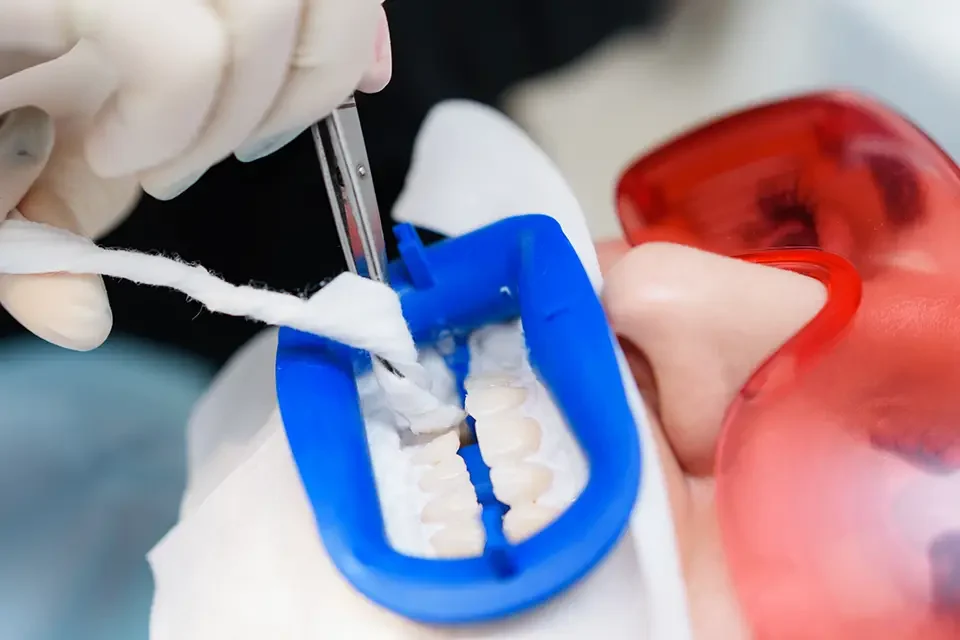
Dental Sealant Procedure: What Happens During a Dental Sealant Appointment?
At a dental sealant appointment, most patients are surprised by how simple everything feels. You stay in the chair, teeth open to the light, while your dentist quietly works through a very gentle, tidy routine.
- First, the chewing surfaces are cleaned and dried so no food or plaque is left in the grooves.
- A mild conditioning gel is brushed on, then rinsed away.
- The liquid dental sealant is painted into the tiny pits of the molars.
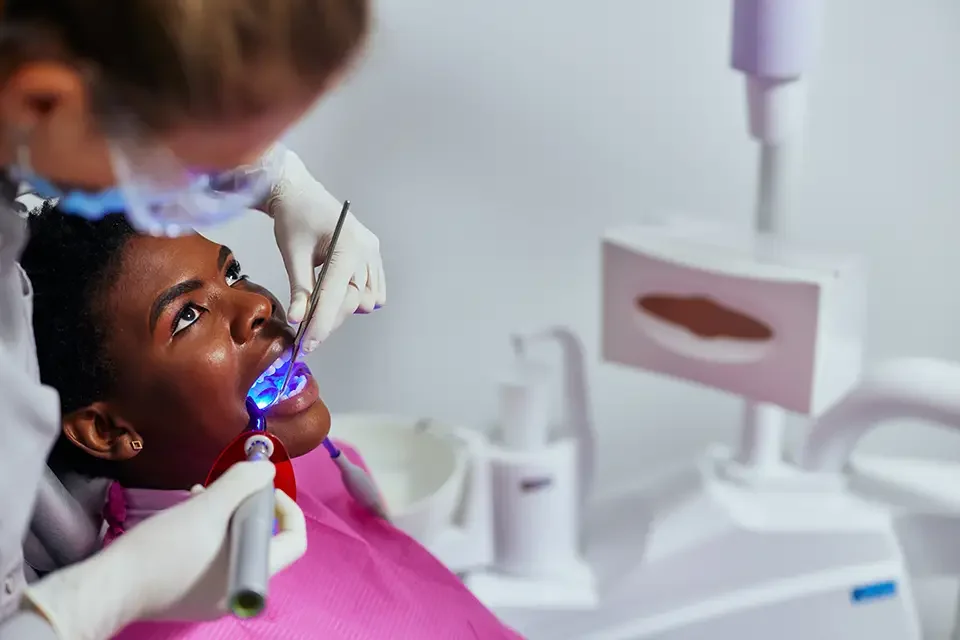
- A curing light sets it firm, and your bite is checked so the teeth still feel natural and comfortable.
Benefits, Risks, and Safety of Dental Sealants
When a parent hears my dentist recommend sealants, the real benefit is cavity protection on the chewing surfaces of molars, where deep grooves trap food and plaque. By covering those pits with dental sealants, your dentist can stop early weak spots from becoming cavities, so fewer fillings are needed.
In terms of safety, sealants sit only on the enamel surface and have a long safety record in children and adults. Minor risks include chipping or loss, usually found at regular checkups and topped up if needed.
How Long Do Dental Sealants Last and How Do I Look After Them?
Most patients are relieved to learn that dental sealants can last for years when the teeth are looked after properly. In many children, sealants stay on the molars through the highest cavity risk period and can sometimes be refreshed rather than completely replaced. Day-to-day care is simple. Avoid chewing ice or very sticky sweets on sealed teeth, keep regular checkups and good brushing habits, and let your dentist know if a tooth feels rough so the sealant can be checked and touched up.
Cost of Dental Sealants in Richmond Hill and Insurance Coverage: My Dentist Recommended Sealants
For many families in Richmond Hill, the cost of dental sealants is more modest than the stress and fees of fixing cavities later. At Sunshine Dentistry, the exact fee depends on how many teeth need sealants and whether they are primary or permanent molars, so we always check first. Most Canadian dental plans list sealants as preventive treatment for children and offer some insurance coverage. If you bring your plan details, our team can turn that fine print into a clear number, so my dentist’s recommended sealants also make financial sense.
Still Unsure Why My Dentist Recommended Sealants? Next Steps
If you are still turning the phrase my dentist recommended sealants over in your mind and you are not ready to say yes, that is completely normal. The next step is not to ignore the advice, but to get clear, personalized information so you understand your own cavity risk and options. A short, honest conversation often makes the difference between feeling pressured and feeling in control of your decision.
At your next visit, you can use the time with your dentist in Richmond Hill to:
- Ask them to show you the exact teeth they want to treat and point out the deep grooves or stain lines that make dental sealants helpful in your case.
- Talk through your child’s daily routine, including snacks and brushing, so you can link sealants to real habits at home instead of a vague idea of preventive dentistry.
- Confirm what will happen if you decide to wait, including how often those teeth will be checked and what signs of early decay you should watch for between regular appointments.
- Bring your insurance details so the team can give you a simple cost comparison between placing dental sealants now and treating possible future cavities.
If you still feel unsure after all of that, you can always ask for written notes or a second opinion. The goal at Sunshine Dentistry is to offer transparent, evidence-based advice so you feel heard, respected, and fully informed before you choose.
FAQs: My Dentist Recommended Sealants
Are dental sealants only for children?
No. While dental sealants are most common on children’s first and second molars, adults with deep grooves or a history of cavities can benefit too. Your dentist will look at cavity risk, enamel condition, and habits before recommending sealants.
Can I eat normally after getting dental sealants?
Yes. Once the material is cured, you can eat right away. It is wise to avoid very sticky sweets on sealed teeth at first, so the new coating is not stressed. If your bite feels uneven, ask your dentist for a quick adjustment.
Do dental sealants replace brushing or fluoride?
No. Sealants are an extra layer of protection, not a substitute for daily care. You still need fluoride toothpaste, flossing, and regular cleanings. Sealants mainly shield the chewing surfaces. The sides and in between teeth still rely on good home care.
What if my child is anxious about the appointment?
Tell the team that my dentist recommended sealants, and your child is nervous. At Sunshine Dentistry, we use simple language, show the materials first, and keep visits short so children feel safe and supported throughout the dental sealant procedure.
How often are sealants checked?
Sealants are reviewed at routine dental exams. Your dentist will check for wear, chips, or loss, and can repair or top them up as needed. Regular monitoring keeps the cavity protection working through the most vulnerable years.