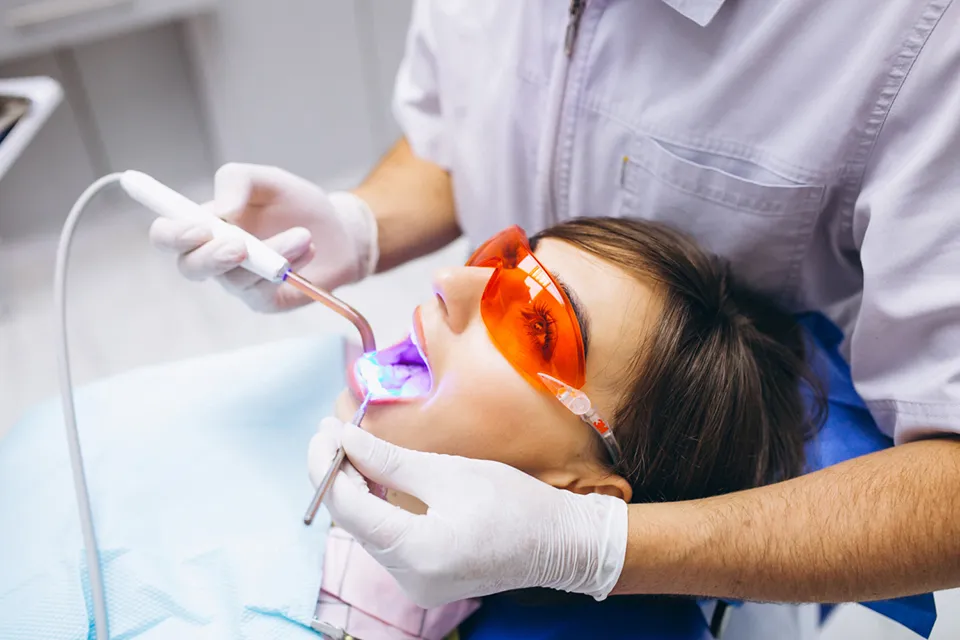

If you are comparing veneers vs bonding, it usually comes down to one real-life problem: a front tooth that looks chipped, slightly spaced, uneven, or noticeably stained in photos. The right option depends on how much enamel is available, how your teeth meet when you bite, and whether the cosmetic concern is limited to one spot or affects several teeth. A quick exam helps confirm what will look natural and stay stable.
When patients ask about veneers vs bonding, they are often balancing appearance with practicality. If stains do not respond to whitening, or you want a more uniform smile design, veneers may be the better fit. If the issue is a small chip or a minor gap, bonding can be a conservative, same-day solution. Your habits, like clenching, matter for long-term durability and stain resistance.
Veneers vs Bonding at a Glance
If you’re weighing veneers vs bonding, start with the size of the change you want. Veneers are thin, custom-made coverings placed on the front of a tooth, so they can correct colour and shape more dramatically, especially when several front teeth need a consistent look. Bonding uses tooth-coloured composite that’s shaped and polished right on the tooth, which makes it a practical option for a small chip, a tiny gap, or a slightly uneven edge.
For many patients, the real decision comes down to priorities. If you want a finish that tends to hold its polish and resist staining, veneers may suit you better. If you want a conservative fix that’s easier to adjust or touch up later, bonding can be the better fit. Focus on your bite and your goal before you choose.
What Are Veneers? How Dental Veneers Work and Who They're Best For
Dental veneers are thin, custom shells that bond to the front of a tooth to improve colour, shape, and symmetry. In the veneers vs bonding decision, veneers are often chosen when you want a more consistent “smile design” across several front teeth, especially for deep stains that whitening cannot lift, or for worn edges that need a stronger cosmetic reset. Treatment usually starts with photos and shade planning, then precise fitting so the veneers look natural and your bite still feels comfortable.
Veneers can be a strong option if you want colour stability and a refined finish, but they work best when enamel and gum health are stable. Your dentist will check spacing, bite forces, and any clenching before recommending them.
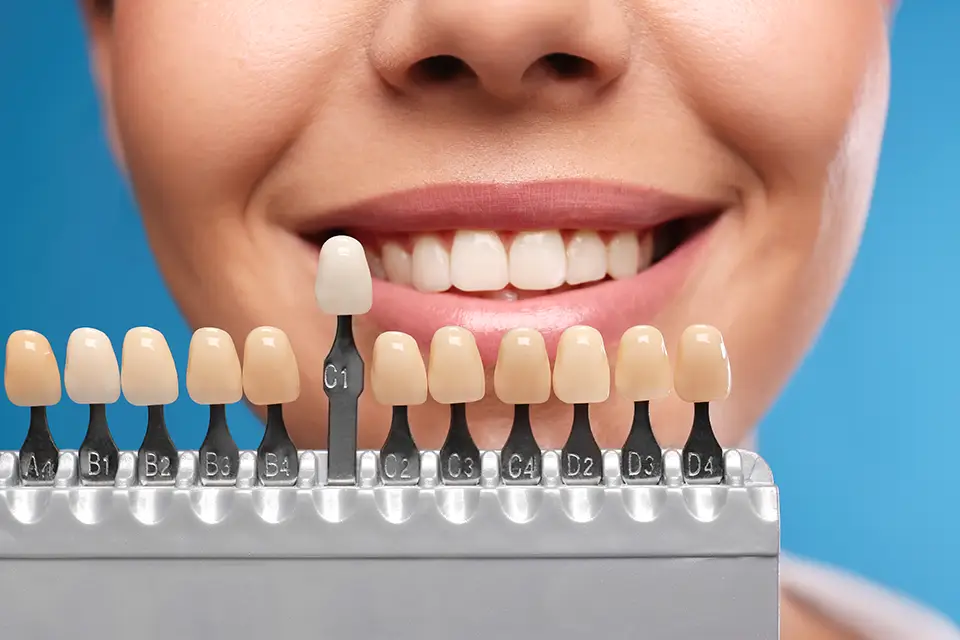
What Is Dental Bonding? When Dental Bonding Is the Better Choice
Dental bonding is a cosmetic technique where your dentist applies tooth-coloured composite resin to the surface of a tooth, then shapes it to restore a clean edge and a natural contour. In the veneers vs bonding conversation, bonding is often the better fit when the concern is small and specific, like a chipped corner, a narrow gap, or a slightly uneven front tooth that catches your eye in photos. It can also be a smart option if you want an improvement without committing to changes across several teeth.
Bonding tends to suit patients who want minimal tooth removal and same-day results. Because a composite can pick up stains and may need refinishing over time, your dentist will check bite forces and clenching habits before recommending bonding as part of your veneers vs bonding plan.
Veneers vs Bonding Durability: Staining, Chipping, and Repairs Over Time
In veneers vs bonding, durability is not only about the material. It is also about your bite, habits, and how well the restoration is designed. If you grind, chew ice, or bite your nails, that stress can shorten the lifespan of either option, so the best plan starts with a bite check and realistic expectations.
- Veneers are usually more resistant to surface staining, which supports colour stability and a polished look over time.
- Bonding can stain or wear faster in heavy-use areas, but it is often easier to adjust or repair, which supports simple touch-ups.
- Both benefit from a night guard if you clench, plus routine hygiene visits to protect edges and gums.
Procedure and Timing: How Many Visits and What to Expect
For many people, veneers vs bonding comes down to how quickly they want to see a change. Bonding is often a single appointment. The dentist applies tooth coloured resin, shapes it to match your natural edges, and polishes it before you leave. Veneers usually take more planning. You will typically have an initial visit for photos, shade matching, and a bite check, then a second visit to bond the finished veneers once they are ready.
If you clench or grind, timing may include an extra step, such as a night guard or small bite adjustments, to protect long-term results and everyday comfort.
Veneers vs Dental Bonding Cost in Richmond Hill: What Affects Your Price
When patients ask about veneers vs bonding cost in Richmond Hill, the most helpful answer is what drives the fee. Bonding is often priced in the hundreds per tooth, while veneers are commonly in the low to mid thousands per tooth. Your exact cost can vary significantly, so an exam is the only way to confirm your personalized estimate.
- Number of teeth involved and the level of cosmetic change needed for smile balance and colour matching.
- Material choice and complexity, including bite correction or clenching risk which can affect long-term durability
- Any prerequisite care, such as treating decay or gum inflammation, before starting a plan.

How to Choose Between Veneers vs Bonding (A Simple Decision Checklist)
If you are weighing veneers vs bonding, start by getting clear on the problem you want to solve. Is it one small flaw that bothers you up close, or do you want a more consistent look across several front teeth? Your bite matters too. If you clench or grind, that added pressure can change what is realistic and long-lasting.
- Pick veneers when you want a bigger upgrade in colour and shape, and you care most about stain resistance and a more uniform finish.
- Pick bonding when the goal is a precise fix for a chip, tiny gap, or uneven edge, and you want minimal tooth removal with the option to adjust later.
- Book an assessment first if you have active decay, gum inflammation, or heavy grinding, since those issues can derail a result.
The Best Next Step for Your Smile
Deciding on veneers vs bonding is much simpler when you can see your own teeth in photos and talk through what bothers you most. A quick cosmetic assessment checks enamel, gum health, and how your teeth meet when you bite, because those details affect both comfort and longevity. At Sunshine Dentistry in Richmond Hill, we will explain the options in plain language and outline a plan that fits your goals and budget. Book a visit to protect your smile and your investment.
FAQs
Can veneers or bonding fix old fillings on front teeth?
Often yes, but only after your dentist checks the existing filling size, edge seal, and whether there is hidden decay. The safest choice depends on tooth structure and bite forces.
Do veneers or bonding work if I grind my teeth at night?
It can, but you may need a night guard to protect the result. Grinding increases the risk of chipping, so planning around bruxism control and long-term protection matters.
Will veneers or bonding look natural in photos?
Yes, when shade matching and contour are done carefully, and gum health is stable. A consultation helps set realistic outcomes and smile symmetry.