
If you’ve ever noticed pink in the sink after brushing your teeth, you’re not alone. Bleeding gums are a common concern, but they are often misunderstood. Many people assume it’s normal or not a big deal. In reality, bleeding gums are your body’s way of telling you that something needs attention.
The good news is that in most cases, the issue can be resolved with simple changes to your oral care routine. However, ignoring the problem can lead to more serious dental conditions over time.
Let’s take a closer look at why your gums might bleed, what you can do about it, and when it’s time to visit your dentist.
What Causes Bleeding Gums?
Bleeding gums can happen for several reasons. Some are minor and temporary, while others may require professional treatment.
1. Gingivitis (Early Gum Disease)
The most common cause of bleeding gums is gingivitis. This is the early stage of gum disease caused by plaque buildup along the gumline.
Plaque contains bacteria that irritate the gums, making them inflamed, tender, and prone to bleeding. The key thing to know is that gingivitis is reversible if treated early.
2. Brushing Too Hard
It might seem like brushing harder will clean your teeth better, but the opposite is true. Using too much pressure or a hard-bristled toothbrush can damage your gums and cause bleeding.
Gentle brushing with the right technique is far more effective and safer for your oral health.
3. Flossing Irregularly
If you only floss occasionally, your gums may bleed when you start again. This happens because your gums are not used to the stimulation.
With consistent daily flossing, the bleeding usually stops within a week as your gums become healthier.
4. Hormonal Changes
Hormonal changes during pregnancy, menstruation, or menopause can make gums more sensitive and more likely to bleed. This is sometimes referred to as pregnancy gingivitis.
Maintaining good oral hygiene during these times is especially important.
5. Vitamin Deficiencies
A lack of certain vitamins, particularly vitamin C and vitamin K, can contribute to bleeding gums. These nutrients play a role in gum health and blood clotting.
A balanced diet supports not only your overall health but also your oral health.
6. Certain Medications
Some medications, such as blood thinners, can make your gums bleed more easily. Other medications may reduce saliva flow, increasing the risk of gum irritation and disease.
If you suspect your medication is affecting your gums, speak with your dentist or healthcare provider.
How to Stop Bleeding Gums
The treatment for bleeding gums depends on the underlying cause. In many cases, simple daily habits can make a big difference.
Improve Your Brushing Technique
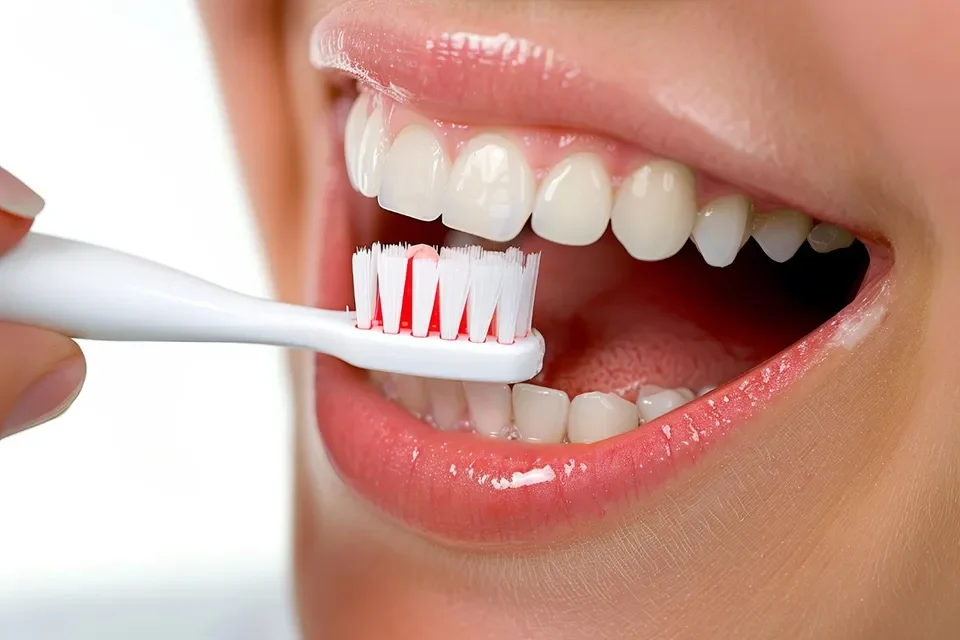
Use a soft-bristled toothbrush and brush gently in circular motions. Focus on cleaning along the gumline without applying too much pressure.
Brushing twice a day for two minutes is ide
Floss Every Day
Flossing removes plaque and food particles from areas your toothbrush cannot reach. Daily flossing helps reduce inflammation and strengthens your gums over time.
If traditional floss is difficult to use, consider alternatives like floss picks or water flossers.
Use an Antibacterial Mouthwash
An antibacterial mouthwash can help reduce plaque and bacteria in your mouth. This supports healthier gums and can reduce bleeding.
Look for products recommended by dental professionals.
Maintain Regular Dental Visits
Professional cleanings remove hardened plaque, also known as tartar, which cannot be removed at home. Regular dental checkups also allow your dentist to detect early signs of gum disease.
Most patients benefit from visits every six months.
Eat a Gum-Friendly Diet
Foods rich in vitamins and minerals support gum health. Include leafy greens, fruits, dairy products, and lean proteins in your diet.
Limiting sugary snacks and drinks also helps prevent plaque buildup.
When Should You Be Concerned?
Occasional bleeding may not be serious, especially if you recently changed your oral care routine. However, persistent or severe bleeding should not be ignored.
You should schedule a dental visit if you notice:
- Bleeding that lasts more than a week
- Swollen, red, or tender gums
- Persistent bad breath
- Receding gums
- Loose teeth
These symptoms may indicate more advanced gum disease, such as periodontitis, which requires professional treatment.
The Link Between Gum Health and Overall Health
Your gums do more than support your teeth. They are closely connected to your overall health.
Research has shown that gum disease may be linked to conditions such as heart disease, diabetes, and respiratory issues. This makes early detection and prevention even more important.
Taking care of your gums is an investment in your long-term well-being.
Final Thoughts
Bleeding gums are often an early warning sign that something is not right. The good news is that with proper care and attention, most causes can be treated or even reversed.
Small changes in your daily routine can lead to healthier gums and a more confident smile. If you are ever unsure, your dentist is the best resource for guidance and care.
FAQ
1. Is it normal for gums to bleed when flossing?
It can happen if you are new to flossing or have not flossed regularly. Consistent daily flossing should reduce and eventually stop the bleeding.
2. Can bleeding gums heal on their own?
Mild cases caused by irritation or poor hygiene can improve with better oral care. However, ongoing bleeding requires professional evaluation.
3. What type of toothbrush is best for bleeding gums?
A soft-bristled toothbrush is recommended because it is gentle on your gums while still effectively removing plaque.
4. How long does it take for bleeding gums to stop?
With proper brushing and flossing, minor bleeding often improves within a few days to a week.