A root canal can feel intimidating, especially if your biggest worry is staying calm long enough to get through the appointment. That is exactly where sedation options for a root canal can make a practical difference. At Sunshine Dentistry in Richmond Hill, we match the plan to your needs, whether you do well with strong numbing, prefer nitrous oxide for mild anxiety, or need a deeper level of support. This article explains what each option feels like and who it suits best, so you can arrive prepared and in control.
Sedation Options for a Root Canal: Quick Answers for Nervous Patients
Feeling nervous is common, and you do not need to “tough it out” to get a root canal done well. If worry, gagging, or jaw fatigue is your main barrier, sedation options for a root canal can be tailored to you. Nitrous oxide is often chosen for light anxiety because it works quickly, and you stay alert. Oral conscious sedation and IV sedation are better suited to stronger anxiety or longer visits, and they usually mean planning a ride home.
Why You Might Choose Sedation for a Root Canal
You may want sedation options for a root canal if nerves keep you on edge, you clamp down without meaning to, or your gag reflex triggers as soon as instruments go near the back teeth. It can also be a smart choice when visits run longer, your jaw gets sore quickly, or past dental experiences made you hesitant to book. The goal is predictable comfort and better cooperation, so treatment stays smooth and controlled.
Local Anesthetic vs Sedation: What Each One Does During a Root Canal
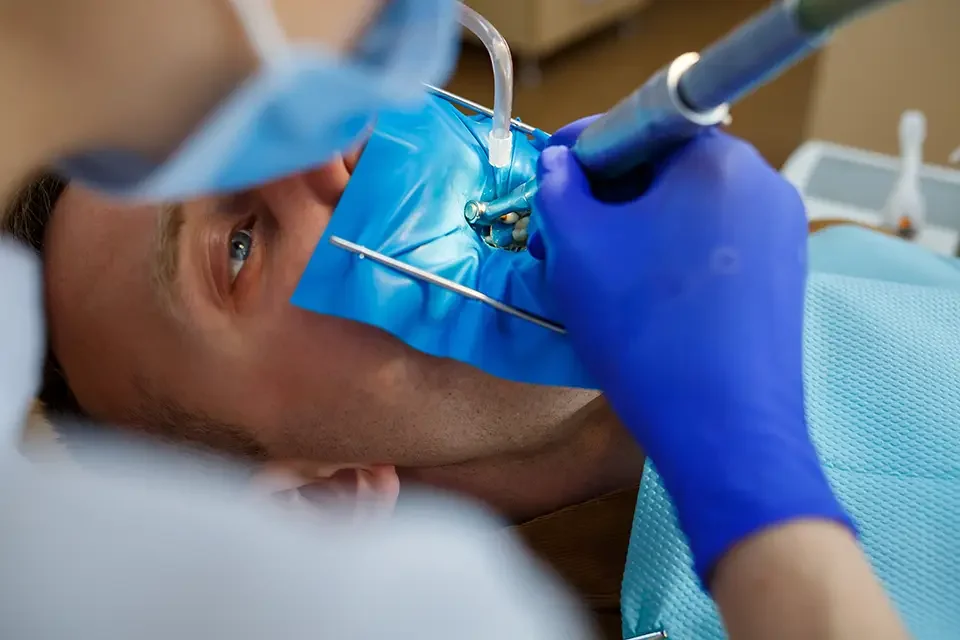
Local anesthetic does the heavy lifting for pain control by numbing the tooth and surrounding tissue, so what you notice is usually pressure rather than a sharp feeling. Sedation is about your nervous system, not the nerve in the tooth. If you are exploring sedation options for a root canal, think of sedation as the tool that keeps you mentally settled and physically relaxed, especially if anxiety makes you tense or your jaw tires quickly.
Sedation Options for a Root Canal: Compare Your Sedation Options for a Root Canal
When people compare sedation options for a root canal, the real question is usually, “How calm do I need to be to get through this comfortably?” Here is a clear, patient-friendly breakdown.
- Local anesthetic (numbing): Covers pain control for most root canals. You stay fully aware, and you can usually drive yourself home. You may notice firm pressure and vibration, but not sharp pain.
- Nitrous oxide (laughing gas): A good fit if you feel tense but still want to stay responsive. It works quickly, eases worry, and most patients describe a lighter, calmer feeling during treatment.
- Oral conscious sedation: Best when anxiety is more persistent. It can make you sleepy, so you will need an escort home and should avoid driving or making important decisions afterward.
- IV sedation: Often chosen for very strong anxiety, gag reflex issues, or longer visits. You are monitored closely, and you will need rest and recovery after the appointment, plus a ride home.
Safety and Eligibility: Who Is a Good Candidate for Root Canal Sedation?
You are usually a good fit for sedation options for a root canal if anxiety spikes in the chair, your gag reflex triggers easily, or you know you struggle to stay still for longer appointments. Safety starts with details, so bring a complete medication list and mention allergies, sleep apnoea, or breathing issues. Sharing your medical background and your current medications helps your dentist choose the right approach and plan recovery properly.
What to Expect Before, During, and After Root Canal Sedation
Before your visit, the clinic will tell you whether to eat beforehand, how to take your usual medications, and whether you need an escort if oral or IV sedation is planned. During the root canal, your tooth is numbed, and your vital signs are checked so you stay steady and comfortable. After treatment, give yourself time to rest, avoid driving if advised, and follow aftercare instructions. With sedation options for a root canal, good pre-visit planning, and post-visit support, you can reduce surprises.

Cost and Insurance in Ontario: What Affects Sedation Fees?
In Ontario, sedation fees can vary based on the type of sedation used, the length of the appointment, and the level of monitoring required. Nitrous oxide is typically priced differently from oral conscious sedation or IV sedation, especially when additional clinical time is needed for recovery. Dental insurance coverage also differs by plan, so it helps to check your benefits for root canal sedation or sedation dentistry. Request a written estimate and ask which sedation options for a root canal fit your budget and benefits, before you book.
Book Sedation Dentistry for a Root Canal at Sunshine Dentistry
If nerves have kept you from booking, a quick consultation can make the next step feel manageable. At Sunshine Dentistry, we talk through your symptoms, review your X-rays, and ask the right health questions so the comfort plan is realistic, not guesswork. We will explain sedation options for a root canal, including nitrous oxide, oral sedation, and IV sedation when appropriate, plus what recovery looks like. Book your sedation dentistry visit at Sunshine Dentistry in Richmond Hill, Ontario, and leave with a clear, safe plan.
FAQs: Sedation Options for a Root Canal
Can you be put to sleep for a root canal?
In some situations, deeper options may be considered, but many patients do well with local anesthetic plus conscious sedation. The best choice depends on your health history and the complexity of treatment, so a proper pre-sedation assessment matters for safe planning.
Will I feel pain if I choose sedation?
Sedation reduces anxiety and stress, while a local anesthetic controls pain in the tooth. With the right combination, most people report pressure rather than a sharp sensation. If you have struggled to get numb before, tell your dentist so the numbing technique and comfort support can be adjusted.
Do I need someone to drive me home?
With oral conscious sedation or IV sedation, yes, you should plan an escort and avoid driving. Nitrous oxide often wears off quickly, but you should follow your clinic’s guidance for same-day safety and post-visit recovery when choosing sedation options for a root canal.